Future of Question AI: Transforming Interactions
Exploring the Future of Question AI

Question AI, a subset of artificial intelligence, focuses on systems specifically developed to answer human questions. Utilizing natural language processing (NLP), these systems interpret questions, sift through vast data repositories, and deliver precise answers. The overarching aim is to create interactions that are as natural and seamless as possible, effectively bridging the gap between human curiosity and machine intelligence.
How Does Question AI Work?
Question AI systems are underpinned by intricate algorithms that enable them to understand and communicate using human language. Here’s a closer look at how these systems function:
Understanding the Question: Initially, the AI must comprehend the question, which involves deconstructing the sentence structure, identifying key topics, and recognizing any nuances that might affect the interpretation.
Searching for Information: Once the AI understands the question, it embarks on a quest through databases and online sources, employing sophisticated search algorithms to locate pertinent information.
Formulating an Answer: After gathering the necessary data, the AI crafts an answer that is not only accurate but also clear and concise, ensuring that the response aligns with the user’s query.
Delivering the Response: Finally, the AI presents the answer to the user in a conversational format, striving to maintain a natural dialogue that mirrors human interaction.
The intricacy of this process underscores the complexity and sophistication of Question AI, showcasing its potential to revolutionize information retrieval.
Why is Question AI Important?
Question AI is significant because it holds the promise of transforming how we access and utilize information. By providing rapid and accurate responses to a vast array of queries, Question AI is poised to become an indispensable tool across numerous domains such as education, customer service, and healthcare. Its ability to deliver precise answers instantaneously can significantly enhance productivity, streamline operations, and improve decision-making processes.
Moreover, Question AI democratizes access to information, breaking down barriers for those who may not have the expertise to find answers independently. It empowers users by providing reliable insights, fostering a more informed society. As industries increasingly embrace digital transformation, the role of Question AI becomes even more crucial, offering scalable solutions that can adapt to diverse needs and environments.
Applications of Question AI
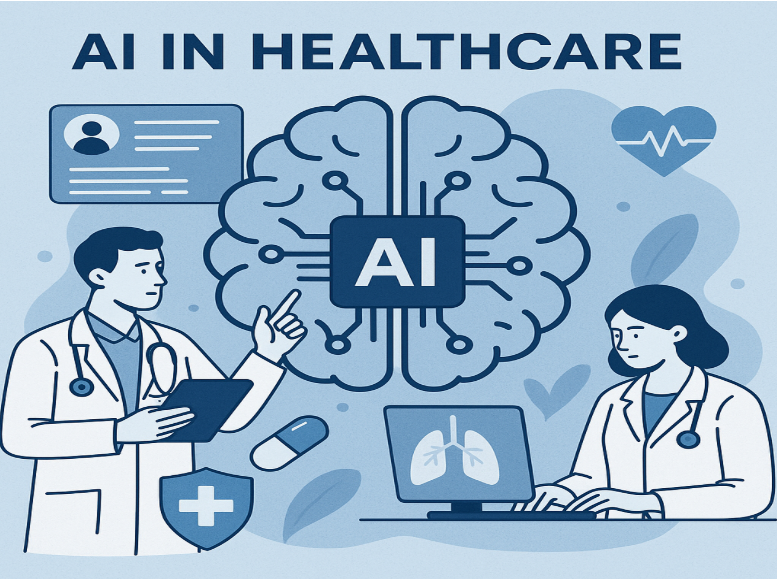
The impact of Question AI is already being felt across a range of industries, where it is revolutionizing traditional practices and offering innovative solutions to longstanding challenges. Let’s explore some of its applications in greater detail:
Education
In the educational arena, Question AI serves as a powerful tool that enriches the learning experience for students. It provides immediate answers to their questions, fostering a deeper understanding of complex subjects like math or science through detailed explanations. By offering personalized support, Question AI helps students grasp challenging concepts, bridging gaps in knowledge and promoting self-directed learning. Educators can also leverage these systems to supplement traditional teaching methods, enhancing the overall educational experience.
Furthermore, Question AI can assist in curriculum development by analyzing common queries and identifying areas where students struggle, allowing educators to tailor their teaching strategies accordingly. This data-driven approach can lead to more effective educational outcomes and a more engaging learning environment.
Customer Service
In the realm of customer service, companies are increasingly adopting Question AI to enhance their operations. AI-driven chatbots are capable of handling customer inquiries round-the-clock, delivering instant support and enabling human agents to focus on more intricate issues. This not only boosts efficiency but also elevates customer satisfaction by ensuring timely and accurate responses. As a result, businesses can foster stronger customer relationships and enhance brand loyalty.
Moreover, Question AI systems can analyze customer interactions to identify trends and patterns, providing valuable insights that can inform business strategies and improve service offerings. By leveraging these insights, companies can proactively address customer needs and expectations, maintaining a competitive edge in the marketplace.
Healthcare
In healthcare, Question AI has the potential to revolutionize patient care and medical practices. By answering patients’ questions based on their symptoms, these systems can assist in preliminary diagnoses, guiding individuals toward appropriate medical attention. Healthcare professionals can also benefit from quick access to information on medical procedures, drug interactions, and the latest research, allowing them to make informed decisions and provide better care.
Additionally, Question AI can support telemedicine initiatives, offering remote consultations and advice to patients who may not have easy access to healthcare facilities. This can improve health outcomes in underserved areas and reduce the burden on healthcare systems, making quality care more accessible to all.
The Technology Behind Question AI
Developing an effective Question AI system requires the integration of several advanced technological components. Let’s delve into some of the key technologies that empower these systems:
Natural Language Processing (NLP)
NLP is a cornerstone of Question AI, enabling the system to comprehend and interpret human language. This involves a series of processes such as tokenization, sentiment analysis, and entity recognition, which break down and analyze sentences to extract meaningful insights. By understanding the nuances of language, NLP allows Question AI to engage in more human-like interactions, improving the quality and relevance of responses.
Advancements in NLP continue to enhance the capabilities of Question AI, enabling it to handle increasingly complex queries with greater accuracy. As these technologies evolve, we can expect Question AI systems to become even more adept at understanding and responding to human language.
Machine Learning
Machine learning algorithms play a crucial role in enhancing the accuracy and efficiency of Question AI systems. By learning from past interactions, these algorithms enable the AI to refine its responses over time, adapting to user preferences and improving its ability to deliver relevant answers. This continuous learning process ensures that Question AI remains effective and up-to-date, providing users with reliable information in an ever-changing world.
Furthermore, machine learning allows Question AI to recognize patterns and trends in data, offering insights that can inform decision-making and drive innovation. As these algorithms become more sophisticated, the potential applications and benefits of Question AI will continue to expand.
Data Sources
For Question AI to deliver accurate and timely answers, it requires access to vast and diverse data sources. This includes databases, online resources, and other information repositories that provide the necessary context and knowledge. The ability to search and retrieve relevant data quickly and efficiently is essential for the success of Question AI, as it ensures that users receive the most pertinent and reliable information available.
As data sources continue to grow and diversify, Question AI systems must evolve to handle this influx of information, maintaining their accuracy and reliability. By harnessing the power of big data, Question AI can offer insights that drive innovation and improve outcomes across various domains.
Challenges and Limitations

by Point Normal (https://unsplash.com/@normals)
While Question AI holds immense promise, it is not without its challenges and limitations. Addressing these issues is crucial to realizing the full potential of this technology:
Understanding Context
One of the most significant challenges facing Question AI is understanding the context of a question. Human language is inherently complex and often ambiguous, making it difficult for AI systems to accurately interpret the nuances and subtleties of a query. Contextual understanding is essential for delivering relevant and accurate responses, and ongoing research is focused on improving AI’s ability to grasp these intricacies.
To overcome this challenge, developers are exploring advanced NLP techniques and machine learning models that can better capture the context of a conversation. By enhancing AI’s contextual awareness, we can improve the quality of interactions and ensure that users receive the most appropriate answers.
Data Privacy Concerns
With AI systems processing vast amounts of data, concerns about data privacy and security are paramount. Ensuring that AI systems comply with privacy regulations and protect sensitive information is critical to maintaining user trust and safeguarding personal data. This involves implementing robust data protection measures and adhering to ethical standards in AI development.
As data privacy regulations continue to evolve, AI developers must remain vigilant and proactive in addressing these concerns. By prioritizing privacy and security, we can build AI systems that respect user rights and foster confidence in this transformative technology.
Bias in AI
AI systems can sometimes exhibit bias, particularly if they are trained on biased datasets. This can result in inaccurate or unfair responses, undermining the credibility and effectiveness of Question AI. Identifying and mitigating bias in AI systems is a key challenge that developers must address to ensure fair and equitable outcomes.
To combat bias, developers are exploring techniques such as diverse data collection, algorithmic transparency, and bias detection tools. By creating more inclusive and representative AI systems, we can ensure that Question AI serves all users fairly and impartially.
The Future of Question AI
The future of Question AI is brimming with potential, as ongoing advancements in technology promise to address current challenges and enhance capabilities. Here are some trends we can expect to see:
Enhanced Understanding
Future Question AI systems are expected to possess improved capabilities for understanding context and nuances in human language. This will lead to more accurate and relevant responses, enabling AI to better meet user needs and expectations. As these systems become more adept at interpreting complex queries, their applications and benefits will continue to expand.
Ongoing research in NLP and machine learning is driving these advancements, paving the way for AI systems that can engage in more sophisticated and meaningful interactions. By enhancing AI’s understanding of human language, we can unlock new possibilities for innovation and impact.
Integration Across Platforms
As Question AI continues to evolve, we can anticipate its integration across a wide range of platforms and devices, making it accessible to a broader audience. This could include seamless integration into smart home devices, mobile apps, and other digital interfaces, providing users with convenient access to information and support.
This widespread integration will enable users to interact with Question AI in various contexts, enhancing the versatility and utility of these systems. By making AI more accessible and user-friendly, we can democratize access to information and empower individuals across diverse settings.
Continued Innovation
As technology advances, so too will Question AI systems. We can expect to see continuous innovations that enhance the accuracy, efficiency, and versatility of these systems, driving new applications and benefits. From improved natural language processing to more sophisticated machine learning algorithms, the future of Question AI is bright with possibilities.
These innovations will unlock new opportunities for growth and impact, enabling AI to address complex challenges and deliver transformative solutions. As we continue to explore the potential of Question AI, we can look forward to a future where AI answers our questions more effectively and efficiently than ever before.
Conclusion
Question AI represents a transformative leap in how we access and interact with information. While challenges remain, the future looks promising, with technological advancements paving the way for more intelligent and capable AI systems. As we continue to explore the possibilities of Question AI, we can anticipate a future where AI not only answers our questions but does so in a manner that enhances our understanding and enriches our lives. By harnessing the power of Question AI, we can unlock new opportunities for growth, innovation, and impact across a multitude of domains.