Job Interview Questions & Answers Guide
Job Interview questions and answers
Navigating a job interview can be daunting, but with the right preparation, you can tackle it confidently. This guide will help you understand common job interview questions and how to answer them effectively. Whether you’re a seasoned professional or a fresh graduate, these insights will equip you with the tools to impress your potential employers.
Interviews are not just about answering questions; they’re an opportunity to showcase your skills and fit for the role. Knowing the various interview techniques can help you prepare better. Here are some common techniques:
Interview Techniques
Behavioral Interviews
Behavioral interviews focus on your past experiences to predict future performance. Employers ask questions about specific situations and how you handled them. The STAR method (Situation, Task, Action, Result) is a great way to structure your responses.
Panel Interviews
In a panel interview, several people ask you questions at once. It’s crucial to maintain eye contact with each panel member and address the group as a whole.
Phone and Video Interviews
These are often used for initial screenings. Ensure you have a quiet, distraction-free environment and test your technology beforehand.
Common Job Interview Questions and Answers
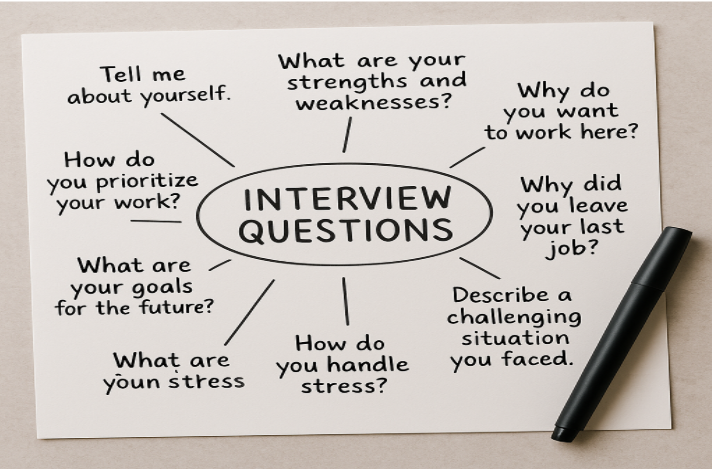
Here are some typical job interview questions and tips on how to answer them:
Tell Me About Yourself
This is often the opening question. Provide a brief summary of your professional background, key skills, and what you’re looking for in your next role. Keep it concise and relevant to the job you’re applying for.
Example Answer: “I am a marketing professional with over five years of experience in digital campaigns. I specialize in social media strategy and have successfully increased engagement by 30% at my current company. I’m excited to bring my expertise in digital marketing to a dynamic team like yours.”
What Are Your Strengths?
Choose strengths that are relevant to the job and back them up with examples. Avoid generic answers; instead, focus on skills that set you apart.
Example Answer: “One of my strengths is my ability to adapt quickly to changing environments. In my previous role, I managed to lead a project that required immediate turnaround due to unforeseen circumstances, and we delivered ahead of schedule.”
What Is Your Greatest Weakness?
Be honest, but strategic. Choose a real weakness and explain how you’re working to improve it. This shows self-awareness and a commitment to personal growth.
Example Answer: “I tend to be a perfectionist, which sometimes leads me to spend more time on tasks than necessary. I’ve been working on this by setting more realistic deadlines and prioritizing tasks to improve efficiency.”
Why Do You Want to Work Here?
Research the company beforehand and mention specific aspects that attract you, such as their values, culture, or recent achievements.
Example Answer: “I admire your company’s commitment to sustainability and innovation. Your recent project on eco-friendly packaging aligns with my values and expertise in product development, making me eager to contribute to your team.”
Describe a Challenge You Faced at Work and How You Overcame It
Use the STAR method to detail a specific challenge, the actions you took, and the positive outcome. This demonstrates problem-solving skills and resilience.
Example Answer: “At my last job, we faced a sudden drop in sales. I analyzed customer feedback and identified a gap in our service. By implementing a new follow-up process, we improved customer satisfaction and saw a 15% increase in sales within three months.”
Interview Tips for Success

by David Trinks (https://unsplash.com/@dtrinksrph)
Here are some additional tips to help you succeed in your interview:
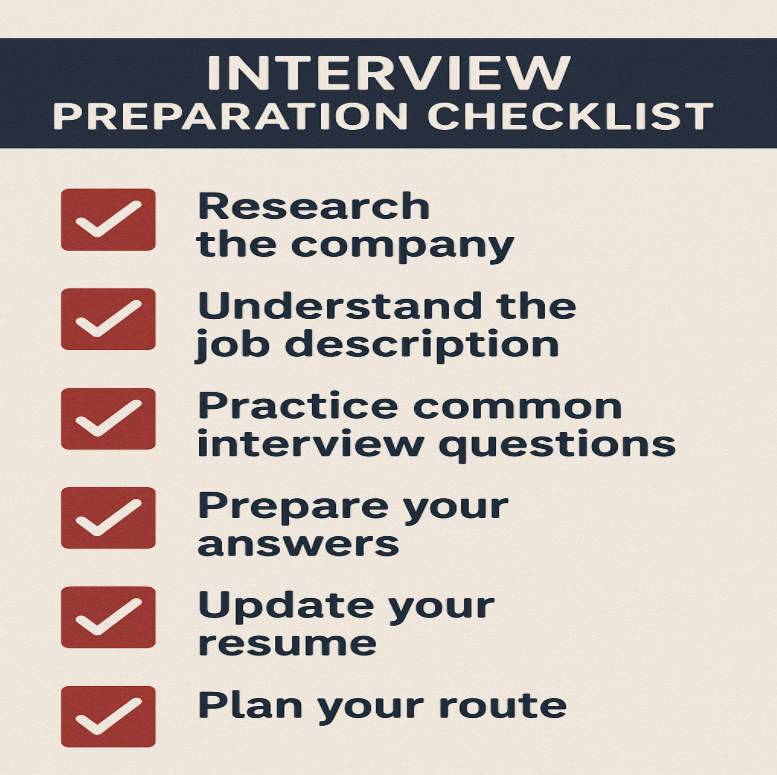
Research the Company
Understanding the company’s mission, values, and recent achievements shows that you’re genuinely interested in the organization. It also helps tailor your answers to align with their goals.
Practice Your Answers
Rehearse common questions with a friend or in front of a mirror. This builds confidence and helps you deliver answers smoothly.
Dress Appropriately
Dressing appropriately for the interview shows professionalism and respect for the company. When in doubt, opt for business attire.
Ask Questions
Prepare questions to ask the interviewer. This shows your interest in the role and helps you determine if the company is the right fit for you.
Follow Up
Send a thank-you email after the interview, expressing gratitude for the opportunity and reiterating your interest in the position. This leaves a positive impression and keeps you fresh in their mind.
Conclusion
Mastering job interviews is about preparation and practice. By understanding interview techniques, preparing for common questions, and following essential tips, you can approach your next interview with confidence. Remember, each interview is a learning experience, so take notes, reflect on your performance, and continue to improve.
With these insights, you’re well on your way to securing your next job offer. Good luck!