Programming Job Tips: Essential Advice for Success
How to get a programming job
In today’s tech-driven world, the demand for skilled programmers is on the rise. Whether you’re a seasoned coder or just starting, landing a programming job can be a rewarding endeavor. The journey might seem daunting, but with the right approach and preparation, you can secure the position you desire. This article will guide you through essential tips and strategies to help you succeed in your quest for a programming job.
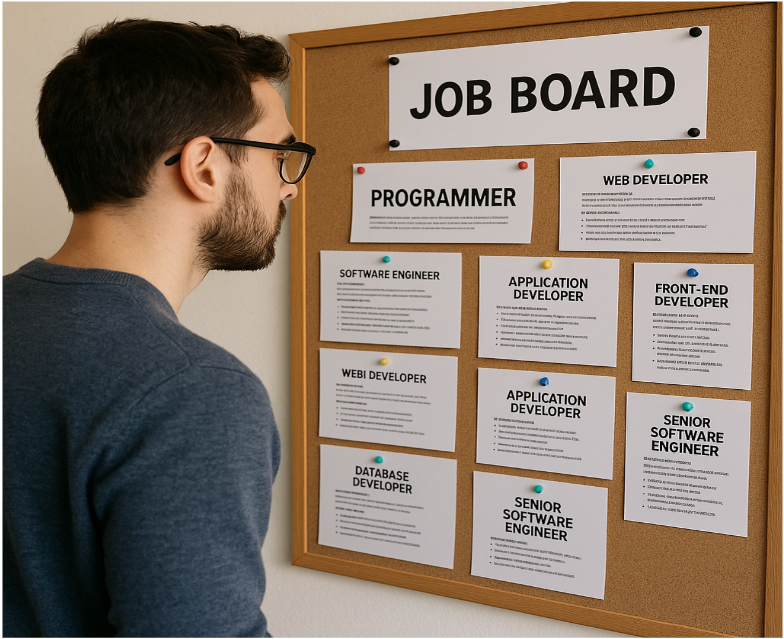
The first step in landing a programming job is understanding the market. The tech industry is vast and diverse, with numerous roles ranging from web development to data science. By familiarizing yourself with the job landscape, you can target positions that align with your skills and interests. Here are some key areas to consider:
Popular Programming Languages
Different jobs require proficiency in specific programming languages. Common languages include Python, Java, JavaScript, C++, and Ruby. Research the languages that are in demand for the roles you’re interested in and focus on mastering them.
Understanding why certain languages are popular can also guide your learning. For instance, Python’s simplicity and versatility make it popular for data science and machine learning. JavaScript’s role in web development makes it indispensable for full-stack developers. Knowing these nuances can help you make informed decisions about which languages to prioritize.
Moreover, staying updated on emerging languages can give you a competitive edge. Languages like Go and Rust are gaining traction for their efficiency and performance in developing large-scale systems. Being adaptable and willing to learn new languages can make you a more attractive candidate.
Industry Specializations
The tech industry is divided into various sectors, such as finance, healthcare, gaming, and e-commerce. Each sector may have unique requirements and preferred technologies. Understanding the industry you’re aiming for can help tailor your skills and resume accordingly.
Consider the specific challenges and opportunities each industry presents. For example, the finance sector often requires knowledge of security protocols and data encryption, while the gaming industry may focus on graphics programming and performance optimization. Identifying these requirements can help you develop specialized skills that set you apart.
Networking with professionals in your target industry can provide valuable insights. Attending industry conferences, participating in online forums, and following industry influencers can help you stay informed about trends and expectations. This knowledge can be crucial when customizing your approach for different sectors.
Remote vs. On-site Opportunities
The rise of remote work has expanded job opportunities for programmers. Decide whether you prefer an on-site position or the flexibility of working from home. Many companies now offer remote roles, broadening your options significantly.
Evaluate your personal preferences and work style when considering remote versus on-site roles. Remote work offers flexibility and can lead to a better work-life balance, but it requires self-discipline and effective communication skills. On-site roles, on the other hand, offer more direct collaboration and can foster a stronger team dynamic.
Research companies that embrace remote work culture. Look for organizations with established remote work policies and tools to support virtual collaboration. Understanding a company’s approach to remote work can help you assess if it’s a good fit for your working style.
Building a Strong Foundation

To stand out in the competitive job market, it’s crucial to have a strong foundation in programming. Here’s how you can build and showcase your skills effectively:
Education and Certifications
While a degree in computer science can be advantageous, it’s not always necessary. Many successful programmers are self-taught or have completed coding bootcamps. Consider obtaining certifications in specific programming languages or technologies to bolster your resume.
Explore various educational pathways to determine what suits you best. Traditional degrees offer comprehensive knowledge and a structured learning environment, while bootcamps provide intensive, practical training focused on job readiness. Self-taught routes offer flexibility and can be tailored to your interests, but require self-motivation and discipline.
Certifications can validate your expertise in specific areas, making you more attractive to employers. Look for certifications from recognized organizations like Microsoft, AWS, or Google. These can demonstrate your commitment to professional development and mastery of industry-relevant skills.
Portfolio Development
A portfolio is a powerful tool to demonstrate your abilities to potential employers. Include projects that showcase your coding skills, problem-solving capabilities, and creativity. GitHub is an excellent platform to host your code and share it with recruiters.
When building your portfolio, focus on quality over quantity. Include diverse projects that highlight different aspects of your skill set, such as front-end design, back-end logic, or full-stack development. Annotate your projects with descriptions and insights into your development process to give employers a deeper understanding of your capabilities.
Regularly update your portfolio to reflect your latest work and skills. This shows employers that you are actively engaged in your field and continuously improving. Consider creating a personal website to showcase your portfolio, as it demonstrates technical skills and offers a professional presentation of your work.
Open Source Contributions
Contributing to open source projects is an excellent way to gain experience and visibility in the programming community. It allows you to work on real-world projects, collaborate with other developers, and improve your coding skills.
Start by finding projects that align with your interests and skill level. Websites like GitHub and GitLab host numerous open source projects looking for contributors. Engage with the community by discussing issues, suggesting improvements, or helping with documentation.
Open source contributions not only enhance your coding skills but also demonstrate your ability to work collaboratively. Employers often view such contributions as evidence of your commitment to the programming community and your ability to work in a team. Highlight these experiences on your resume to showcase your collaborative and technical skills.
Crafting an Impressive Resume
Your resume is often the first impression employers have of you. Make it count by highlighting relevant skills, experiences, and achievements. Here’s how to craft an impressive resume:
Tailor Your Resume
Customize your resume for each job application. Highlight the skills and experiences that are most relevant to the position. Use keywords from the job description to increase your chances of getting noticed by applicant tracking systems.
Research the company and role thoroughly before applying. Understand the key skills and attributes the employer is seeking, and tailor your resume to reflect these. A well-tailored resume not only passes through automated filters but also resonates with hiring managers who appreciate attention to detail.
Keep your resume concise and focused. Use bullet points to clearly list your achievements and responsibilities. Avoid jargon and overly technical language unless it’s specific to the role, and ensure your resume is easy to read and visually appealing.
Showcase Technical Skills
Include a dedicated section for your technical skills. List programming languages, frameworks, tools, and technologies you’re proficient in. Be honest about your proficiency level, as you may be tested on these skills during interviews.
Categorize your skills to make them easy to identify. Separate programming languages from frameworks or tools, and consider indicating your proficiency level (e.g., beginner, intermediate, advanced) to provide a clear picture of your capabilities.
Stay current with industry trends and update your skills section accordingly. As new technologies emerge, employers look for candidates familiar with the latest advancements. Demonstrating that you’re keeping pace with industry changes can make you a more appealing candidate.
Highlight Achievements
Instead of listing job duties, focus on achievements. Quantify your accomplishments with numbers and metrics whenever possible. For example, “Improved application performance by 30% by optimizing code.”
Employers are interested in the impact of your work, so use concrete examples to demonstrate your contributions. Highlight projects where you solved complex problems, led initiatives, or improved processes. This not only showcases your technical skills but also your problem-solving abilities and leadership potential.
Consider including a summary or objective statement at the beginning of your resume. This brief introduction can highlight your key achievements and career goals, providing context for the rest of your resume. Tailor this section to each job application to emphasize your most relevant strengths.
Mastering the Coding Interview

by TRAN NHU TUAN (https://unsplash.com/@kooldark)
Coding interviews are a crucial part of the hiring process for programmers. They assess your problem-solving skills, coding proficiency, and ability to think under pressure. Here are some tips for success:
Practice Coding Problems
Regular practice is key to acing coding interviews. Use online platforms like LeetCode, HackerRank, or CodeSignal to solve coding challenges. Start with easy problems and gradually work your way up to more complex ones.
Consistency is crucial when practicing coding problems. Set aside dedicated time each day or week to work on challenges. This not only helps you improve but also builds your confidence and speed, which are vital during timed interviews.
Analyze your solutions and learn from mistakes. After solving a problem, review your code and explore alternative solutions. Understanding different approaches can deepen your knowledge and prepare you for similar challenges in the future.
Understand Data Structures and Algorithms
A strong grasp of data structures and algorithms is essential for coding interviews. Study common data structures like arrays, linked lists, trees, and graphs. Understand algorithms such as sorting, searching, and dynamic programming.
Focus on understanding the underlying principles of data structures and algorithms. This knowledge allows you to apply these concepts to various problems, rather than relying on memorization. Practice implementing these structures and algorithms from scratch to reinforce your understanding.
Consider joining study groups or online communities focused on data structures and algorithms. Collaborating with others can provide different perspectives and explanations, enhancing your learning experience. Discussing problems and solutions with peers can also boost your critical thinking and problem-solving skills.
Mock Interviews
Conduct mock interviews with friends or use online platforms that offer mock interview services. This will help you get comfortable with the interview format and receive feedback on your performance.
Treat mock interviews as seriously as real ones. Dress appropriately, set a timer, and simulate the interview environment as closely as possible. This practice helps reduce anxiety and improves your ability to think clearly under pressure.
Request feedback from your mock interviewers. Constructive criticism can highlight areas for improvement and reinforce your strengths. Use this feedback to refine your interview techniques and address any weaknesses before the actual interview.
Communicate Clearly
During interviews, communicate your thought process clearly. Explain how you’re approaching the problem and why you’re choosing a particular solution. This demonstrates your analytical skills and helps interviewers understand your reasoning.
Practice verbalizing your thoughts while solving problems. This skill is crucial during interviews, as it allows interviewers to follow your logic and provide guidance if needed. Clear communication can also help you identify and correct errors in your approach.
Don’t be afraid to ask questions during the interview. Clarifying problem requirements or constraints demonstrates your attention to detail and ensures you understand the task fully. Engaging with the interviewer can also create a more interactive and collaborative experience.
Networking and Job Search Strategies
Networking and effective job search strategies can significantly increase your chances of finding a programming job. Here’s how to expand your opportunities:
Leverage Professional Networks
Join professional organizations and attend industry events to connect with other programmers and potential employers. LinkedIn is a valuable platform for networking and job hunting. Keep your profile updated and engage with relevant content.
Actively participate in industry events, both online and in-person. Conferences, meetups, and hackathons offer opportunities to learn, share knowledge, and build relationships with professionals in your field. Networking can lead to job referrals and collaborations that enhance your career.
Use LinkedIn to showcase your expertise and connect with industry professionals. Share articles, participate in discussions, and highlight your achievements to increase your visibility. Building a strong online presence can attract recruiters and potential employers to your profile.
Apply Strategically
Focus on quality over quantity when applying for jobs. Tailor your applications to match the requirements of each position. Follow up on applications to express your continued interest in the role.
Research companies before applying to ensure they align with your values and career goals. Tailoring your application materials to reflect the company’s mission and culture can make you stand out as a candidate who genuinely fits the organization.
Maintain a tracking system for your job applications. This helps you manage deadlines, follow-ups, and interview schedules efficiently. Staying organized ensures you don’t miss opportunities and can respond promptly to potential employers.
Consider Internships and Entry-Level Positions
If you’re new to programming, internships and entry-level positions can provide valuable experience and open doors to full-time opportunities. They offer a chance to learn from experienced professionals and gain hands-on experience.
Internships can serve as a trial period to explore different areas within programming. Use this time to identify your strengths and interests, and to build a network of contacts within the industry. Many internships lead to full-time job offers, making them a valuable stepping stone in your career.
Entry-level positions offer opportunities to learn and grow within a company. Approach these roles with a willingness to take on challenges and learn from experienced colleagues. Demonstrating a strong work ethic and eagerness to learn can lead to advancement and more significant responsibilities over time.
Continuous Learning and Improvement
The tech industry is constantly evolving, and staying updated with the latest trends and technologies is crucial for long-term success. Here are some ways to continue learning and improving:
Online Courses and Workshops
Take advantage of online courses and workshops to learn new programming languages, tools, and technologies. Platforms like Coursera, Udemy, and edX offer courses from top universities and industry experts.
Identify areas where you want to grow and seek courses that align with those goals. Whether it’s mastering a new programming language, learning about cloud computing, or exploring artificial intelligence, online courses offer flexibility and access to expert knowledge.
Participate in workshops and webinars to gain practical insights and hands-on experience. Many organizations offer free or low-cost events where you can learn from industry leaders and connect with other professionals. These events can provide valuable opportunities for networking and skill development.
Stay Informed
Follow industry blogs, podcasts, and newsletters to stay informed about the latest trends and advancements in technology. This will help you stay competitive and adapt to changes in the job market.
Curate a list of trusted sources to keep abreast of industry news. Regularly reading articles or listening to podcasts can provide diverse perspectives and insights into the tech world. This knowledge can inform your career decisions and help you identify emerging opportunities.
Engage with the content by participating in discussions or sharing your thoughts. This not only reinforces your understanding but also builds your reputation as an informed and engaged professional. Staying informed positions you as a knowledgeable candidate who can contribute to discussions about industry trends.
Set Personal Projects
Personal projects allow you to apply your skills creatively and explore new areas of interest. They can also serve as portfolio pieces to showcase your abilities to potential employers.
Choose projects that challenge you and align with your career goals. Whether it’s developing a mobile app, creating a website, or experimenting with machine learning, personal projects can deepen your expertise and spark innovation.
Document your projects thoroughly. Keep track of your development process, challenges faced, and solutions implemented. Sharing this documentation with potential employers demonstrates your problem-solving abilities and dedication to continuous improvement.
Conclusion
Securing a programming job requires a combination of technical skills, effective job search strategies, and continuous learning. By understanding the job market, building a strong foundation, crafting an impressive resume, mastering coding interviews, and networking strategically, you can increase your chances of landing your dream job. Remember, persistence and dedication are key. Keep honing your skills, stay curious, and embrace new challenges in your programming journey. The tech industry is ever-changing, and your adaptability and commitment to growth will be your greatest assets as you pursue a successful programming career.