Interview Coders: Tips & Questions for Success
Essential Tips for Interviewing Coders Effectively
Hiring the right coder for your team can significantly influence your project’s success, productivity, and innovation. Yet, interviewing coders effectively is not merely a matter of asking a set of generic questions. It demands a strategic approach to evaluate various dimensions of a candidate, including their technical prowess, problem-solving capabilities, and cultural compatibility. This guide will provide you with essential tips to conduct coder interviews that yield the best results, ensuring that you find a candidate who not only fits the role but also enhances your team’s dynamics.

Before commencing the interview process, it’s imperative to have a comprehensive understanding of the role you are hiring for. Coders come with a range of specializations such as front-end, back-end, full-stack, mobile development, and more, each requiring a unique set of skills and experiences. Defining the specific needs for your team’s role helps in not only framing the right questions but also in evaluating candidates effectively. This clarity ensures that you attract and select candidates whose expertise aligns seamlessly with your project’s requirements and goals.
Define the Skill Set
Identifying the key skills required for the position is a fundamental step. For instance, if your team is looking for a front-end developer, you may prioritize proficiency in HTML, CSS, and JavaScript, along with frameworks like React or Angular that your team utilizes. In contrast, if the role is for a back-end developer, the focus might shift to languages such as Python, Java, or Node.js, alongside database management skills and familiarity with cloud platforms. Additionally, consider any industry-specific skills or experiences that may be beneficial, such as knowledge in e-commerce systems or cybersecurity measures.
Set Clear Expectations
Communicating the expectations clearly to the candidates is as crucial as defining the required skill set. This includes outlining the nature of projects they will be involved in, the size and dynamics of the team, company culture, and any other relevant details such as work methodologies or tools used. Providing this information upfront helps candidates prepare better, allowing them to assess if the role aligns with their career aspirations. It also sets a foundation for transparent communication, ensuring both parties have aligned expectations and can make informed decisions about the potential partnership.
Preparing for the Interview
Effective preparation is the cornerstone of a successful interview process. As an interviewer, it is essential to have a structured plan and a comprehensive list of questions designed to assess both technical and soft skills. This preparation not only facilitates a smoother interview experience but also ensures that you gather the necessary insights to make informed hiring decisions.
Creating a Balanced Question Set
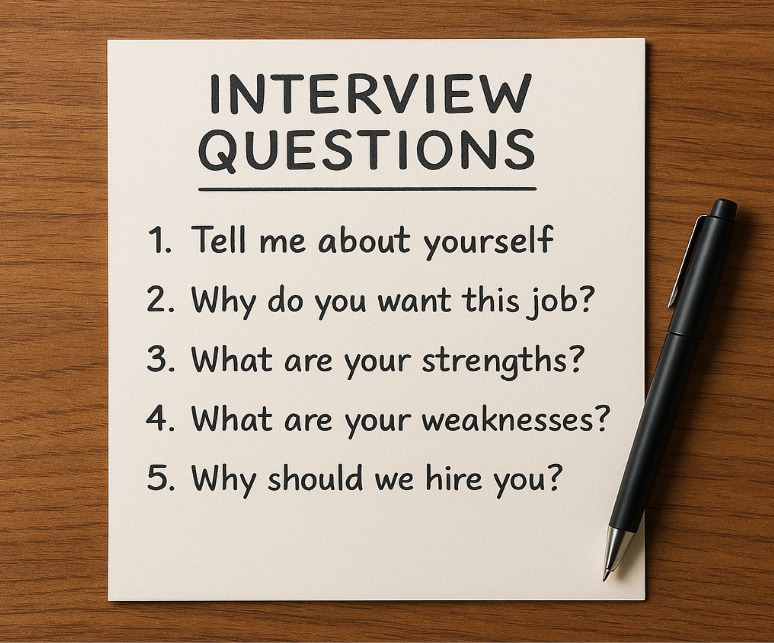
Crafting a balanced set of questions is crucial to covering the wide range of skills required for the role. Technical questions should delve into the candidate’s coding abilities, understanding of algorithms, data structures, and their overall problem-solving skills. However, don’t overlook the importance of behavioral questions, which can provide valuable insights into a candidate’s teamwork, communication skills, and adaptability. This holistic approach ensures a comprehensive evaluation, capturing both the technical competence and the interpersonal skills that are essential for team success.
Technical Questions
Technical questions are designed to unearth the depth of a candidate’s coding expertise and their ability to apply it in real-world scenarios. You might ask, “Can you walk us through your process for debugging a complex issue in your code?” or “How do you ensure your code is scalable and maintainable?” Additionally, asking candidates to describe a challenging coding problem they faced and how they resolved it can reveal their problem-solving approach and resilience. Tailoring these questions to reflect the technical demands of your projects will provide a clearer picture of the candidate’s potential contributions.
Behavioral Questions
Behavioral questions aim to explore the candidate’s interpersonal skills and cultural fit. Questions such as “How do you prioritize tasks when working on multiple projects?” or “Describe a time when you had to collaborate with a difficult team member. How did you handle it?” can shed light on their organizational skills and conflict resolution strategies. Furthermore, asking how they stay updated with the latest programming trends and technologies can indicate their commitment to continuous learning and professional growth. These insights are invaluable in determining whether a candidate can thrive in your team’s environment.
Conducting the Interview
During the interview, your primary goal is to create an environment where candidates feel comfortable and confident in showcasing their best abilities. Achieving this requires a balance of professionalism and empathy, allowing candidates to express themselves freely while you gather the necessary information to assess their fit for the role.
Build Rapport
Beginning the interview with a brief introduction about yourself and the company can set a friendly, approachable tone that helps candidates relax. This initial exchange provides an opportunity for candidates to introduce themselves and share their background, setting the stage for a more engaged and open conversation. Building rapport early on can also help alleviate any interview anxieties, encouraging candidates to present their true selves and capabilities.
Assess Problem-Solving Skills
Incorporating coding challenges or whiteboard exercises is an effective way to evaluate a candidate’s problem-solving skills. These tasks should mirror real-world scenarios they might encounter in the role, providing insights into their ability to apply theoretical knowledge in practical situations. Pay close attention to their approach to solving the problem, their thought process, and how they tackle any obstacles. This assessment not only highlights their technical skills but also their creativity and persistence in finding solutions.
Encourage Questions
Encouraging candidates to ask questions about the role, team, or company is an integral part of the interview process. The questions they ask can provide insights into their priorities, what they value in a job, and their understanding of the role. It also demonstrates their interest and engagement in the opportunity, offering a glimpse into their potential as proactive team members. Moreover, this dialogue can clarify any uncertainties they may have, fostering transparency and mutual understanding.
Post-Interview Evaluation
by Agefis (https://unsplash.com/@agefis)
After the interview, it’s crucial to evaluate the candidates based on the information gathered, ensuring a fair and thorough assessment. This evaluation should be systematic and objective, focusing on both the strengths and weaknesses observed during the interview to make informed hiring decisions.
Use a Scoring System
Developing a scoring system to rate candidates on various criteria such as technical skills, problem-solving abilities, cultural fit, and communication skills can streamline the evaluation process. This method allows for objective comparisons between candidates, ensuring that decisions are based on consistent metrics rather than subjective impressions. A scoring system also facilitates discussions among team members involved in the interview process, providing a structured framework for reaching a consensus on the best candidate for the role.
Gather Feedback
If multiple team members participated in the interview, gathering their feedback is essential to gain diverse perspectives on each candidate. Discussing the strengths and weaknesses observed by different interviewers can reveal insights that might have been overlooked and provide a more comprehensive understanding of each candidate’s potential fit. This collaborative approach not only enriches the evaluation process but also fosters a sense of shared responsibility and consensus in making the final hiring decision.
Reflect on the Process
After completing the interviews, it’s beneficial to take some time to reflect on the process. Consider what aspects of the interviews worked well and what could be improved for future hiring rounds. This reflection helps in identifying any gaps or biases in the process, enabling continuous improvement and ensuring that your interview process remains effective, efficient, and fair. By refining your approach, you enhance your ability to attract and select the best talent, ultimately contributing to your team’s success.
Conclusion
Interviewing coders effectively involves a multi-faceted approach: understanding the role, preparing a balanced set of questions, conducting a supportive interview, and evaluating candidates fairly. By following these essential tips, you can enhance your hiring process and find the right coder who will contribute to your team’s success. Remember, a well-conducted interview not only helps you choose the best candidate but also leaves a positive impression of your company.
By implementing these strategies, you’ll be better prepared to select candidates who not only possess the necessary technical skills but also align with your team’s culture and values. Happy hiring!